
We work side by side with victims to obtain acknowledgment and redress for massive human rights violations, hold those responsible to account, reform and build democratic institutions, and prevent the recurrence of violence or repression.
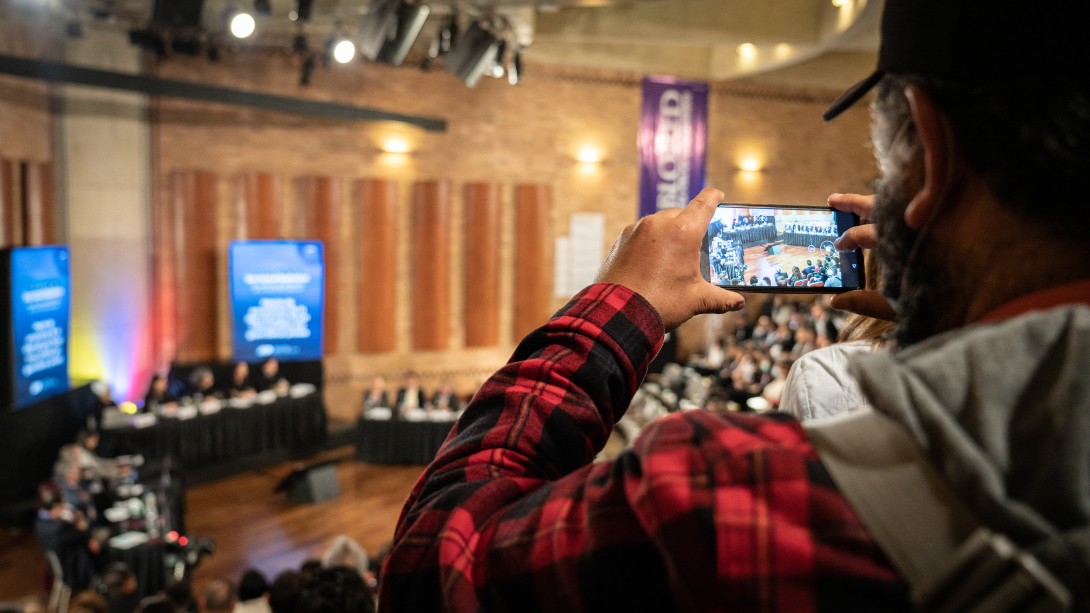
Transforming Social Relations: Restorative Responses to Massive Human Rights Violations
This research report offers guidance on the application of a restorative justice framework in contexts of massive human rights violations, including its advantages and challenges. Based o...
Image
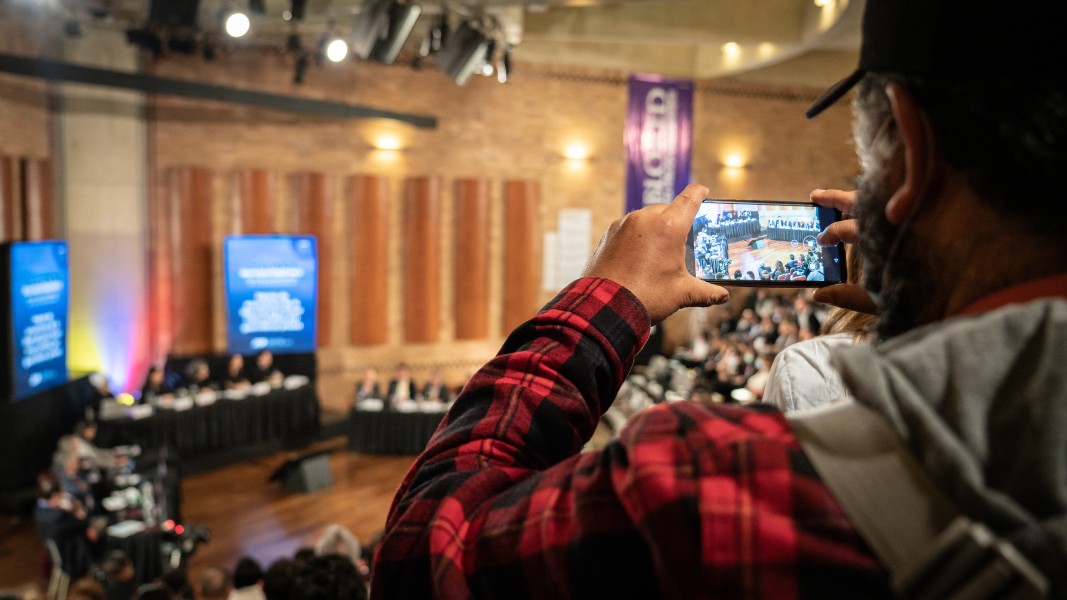
ICTJ Releases New Report on Restorative Justice
New York, April 23, 2024—In the aftermath of armed conflict or repression, communities often struggle to rebuild social relations that have been damaged or destroyed by violence and abuse...
Image
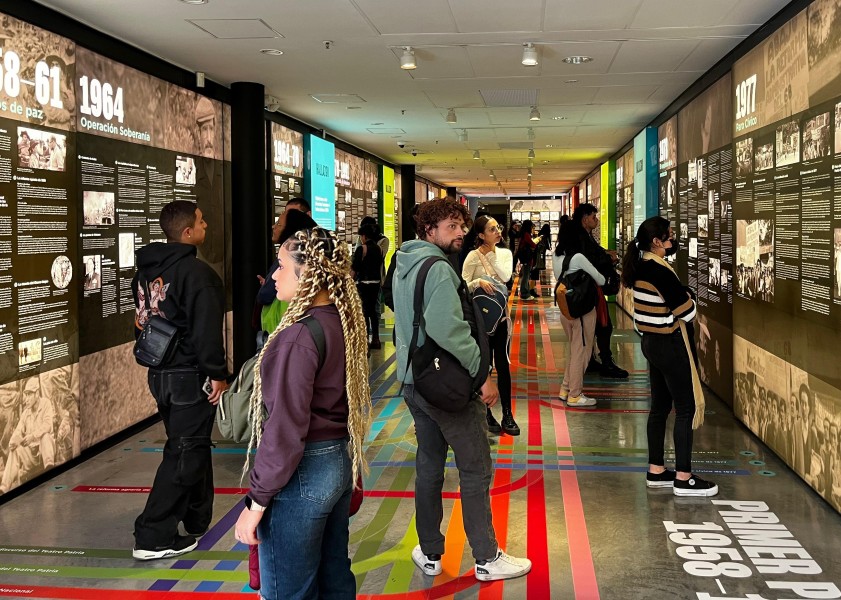
At an Interactive Exhibit, Colombians Reflect on Their Country’s Painful Past and New Possibilities for Its Future
On February 13, 2024, the interactive cultural exhibit “If There Is Truth, There Is Future” opened to the public at Bogotá’s Center for Memory, Peace and Reconciliation. As part of the Co...
Image

Shedding Light on the Mental Health Needs of Families of the Missing in Syria
On February 8, ICTJ held an event in The Hague on the missing and disappeared in Syria, in partnership with the Dutch Ministry of Foreign Affairs. The event brought together activists, jo...
Image

A New Virtual Museum for Afghan Victims of Human Rights Violations Lays a Foundation for Truth and Justice
ICTJ’s partner Afghanistan Human Rights and Democracy Organization (AHRDO) recently opened a new virtual museum and database dedicated to Afghan victims of conflict and human rights abuse...
Explore hundreds of resources and insights into transitional justice and human rights issues.
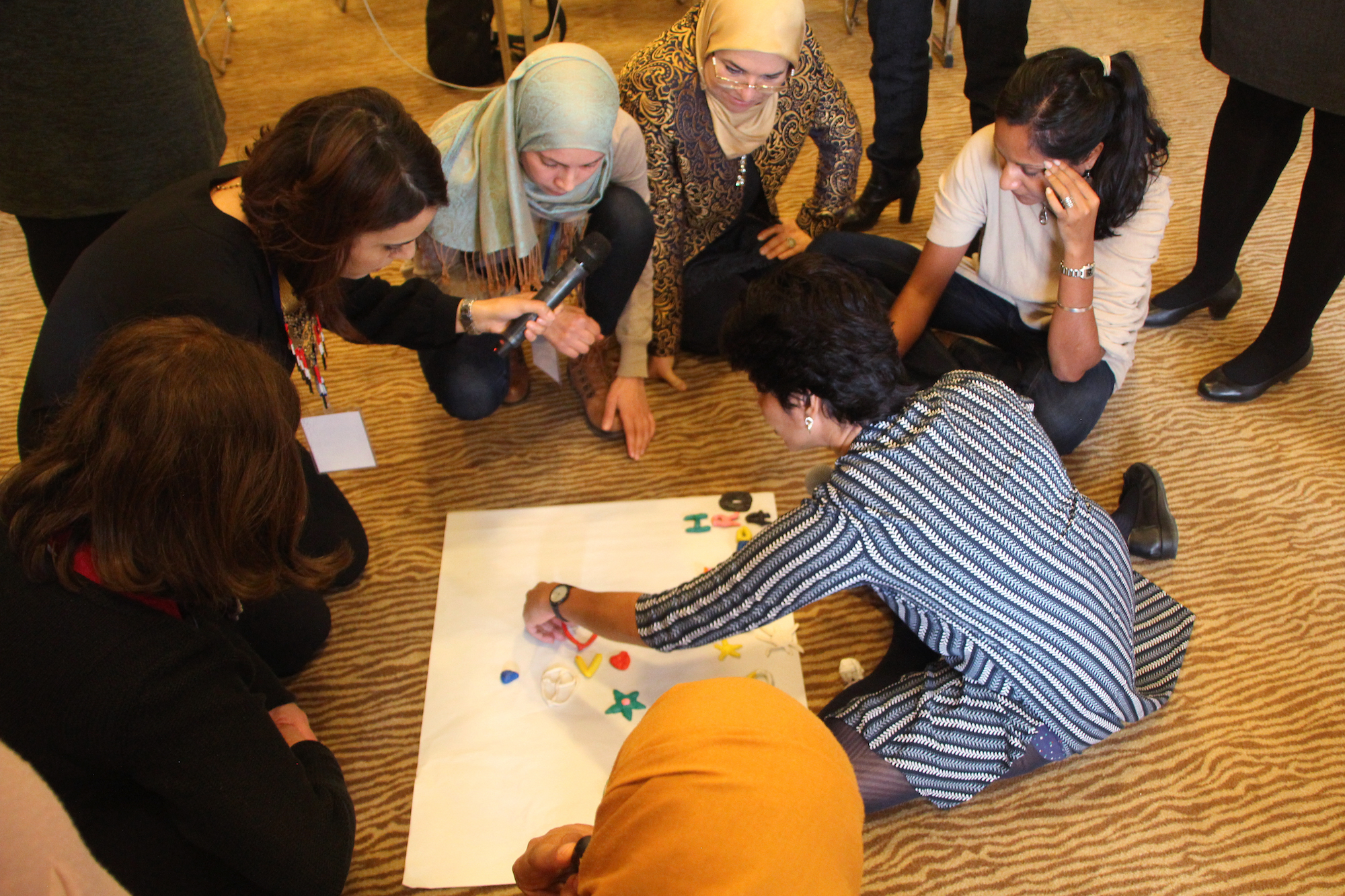
Side by Side with Victims
ICTJ provides advice, support, and technical assistance to victims, members of civil society, and state and international actors committed to justice. In the fast-changing world, ICTJ is continually evolving and adapting its methodology to develop innovative solutions to emerging problems, advance its mission, and achieve justice for victims of human rights violations.